
Understanding Your Wood
What 30 years of furniture making in Nepal has taught us about selecting the right wood for your home.
Walk into any furniture shop in Kathmandu, and you'll likely hear that sisau is the finest wood for furniture. It's a belief passed down through generations — and we understand why.
But after decades of crafting furniture that must withstand Nepal's demanding climate — from monsoon humidity to winter dryness — we've learned something different.
Here's what the wood itself has taught us.
What Most People Believe
"Sisau is the traditional choice"
"Darker wood means better quality"
"Teak is what budget furniture uses"
The first is simply true. Sisau has a rich heritage in South Asian furniture making, and Nepali craftsmen have worked it for generations. The other two are common myths. Color tells you very little about how a wood will hold up, and A-grade teak is the opposite of budget furniture.
The Two Woods
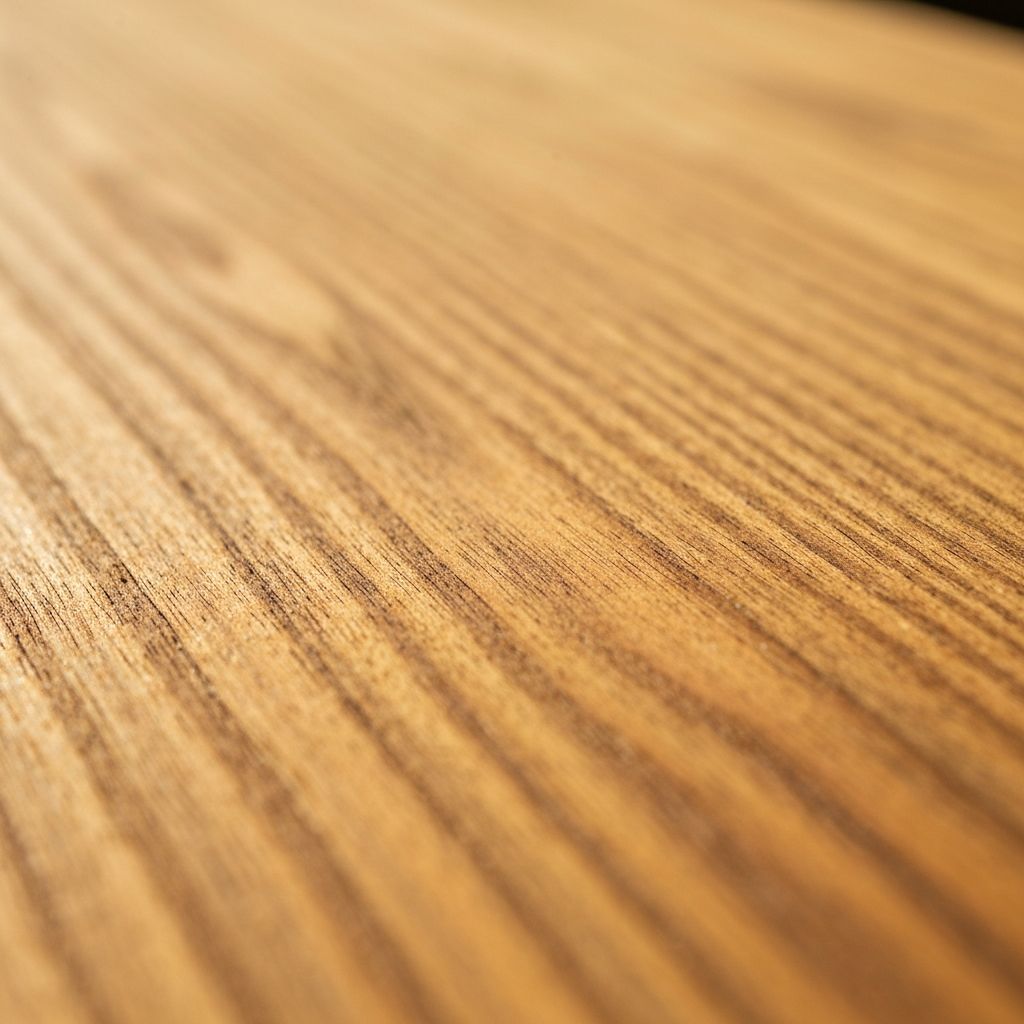
A-Grade Teak
Tectona grandis
Natural Oils
Teak contains natural oils that protect against moisture, insects, and decay — no chemical treatment needed.
Climate Resilience
Minimal expansion and contraction through Nepal's extreme humidity swings. Your drawers won't stick in monsoon.
Workability
Carves beautifully, holds intricate Newari details, finishes to a warm golden-brown that deepens with age.
Longevity
Properly maintained teak furniture lasts 80-100+ years. Many antique European pieces are still in use after centuries.
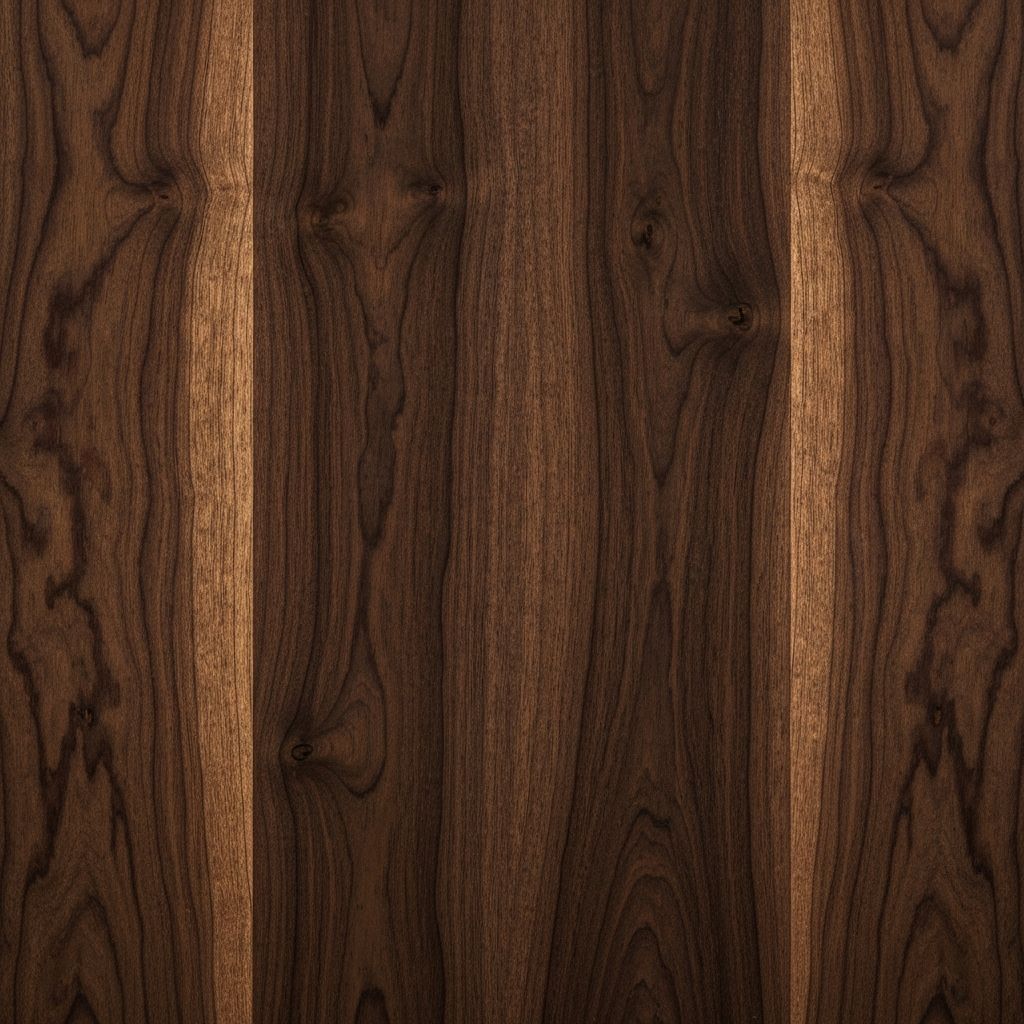
Sisau (Sheesham)
Dalbergia sissoo • Indian Rosewood
Appearance
Rich, dark brown with dramatic grain patterns. The kind of striking visual character that has made sisau a centerpiece of South Asian furniture for generations. Its beauty is genuine.
Heritage
Sisau has been worked by Nepali and South Asian craftsmen for generations. Doors, cabinets, temple details, family heirlooms. A wood with deep cultural roots in the region.
Density
A hard, dense wood that holds weight well and takes a fine polish. Suits cabinetry, desks, and smaller pieces that stay in stable indoor conditions.
What to Know
Sisau moves more with Nepal's humidity cycles than teak. Over decades, this can lead to checking and joint loosening, especially in larger pieces exposed to monsoon and winter extremes. A 30 to 50 year lifespan in Nepali conditions is the honest expectation.
At a Glance
| Teak | Sisau | |
|---|---|---|
| Visual Drama | ●●●○○ | ●●●●● |
| Durability | ●●●●● | ●●●●○ |
| Climate Resistance | ●●●●● | ●●○○○ |
| Moisture Resistance | ●●●●● | ●●●○○ |
| Carving & Detail Work | ●●●●● | ●●●○○ |
| Crack Resistance | ●●●●○ | ●●●○○ |
| Maintenance Required | Low | High |
| Lifespan | 80-100 yrs | 30-50 yrs |
| Natural Insect Resistance | ●●●●● | ●●●●○ |
Visual Drama
Teak
Subtle
Sisau
Dramatic
Durability
Teak
Excellent
Sisau
Strong
Climate Resistance
Teak
Excellent
Sisau
Poor
Crack Resistance
Teak
Very Good
Sisau
Moderate
Maintenance
Teak
Low
Sisau
High
Lifespan
Teak
80-100 yrs
Sisau
30-50 yrs
A-grade teak outlasts sisau by 30-50 years in Nepal's climate, making it the superior choice for heirloom furniture.
Why This Matters in Nepal
Nepal's climate is uniquely demanding on wood furniture. Here's what happens through the seasons.
Monsoon
June – September
Humidity exceeds 80%. Wood absorbs moisture and expands.
Teak: Minimal expansion
Sisau: Significant swelling
Winter
November – February
Indoor humidity drops below 30%, especially with heaters.
Teak: Gradual, even contraction
Sisau: Rapid shrinking, cracks
The Cycle
Year After Year
This expansion-contraction cycle repeats every year.
Teak: Handles decades
Sisau: Weakens over time
Understanding True Value
Yes, A-grade teak costs more upfront. But consider this:
Sisau Furniture
Purchase price: Rs. 85,000
Repairs over 20 years: Rs. 25,000+
Replacement after 30-40 years
Total: Rs. 110,000+
(and starting over)
Teak Furniture
Purchase price: Rs. 120,000
Repairs over 20 years: Rs. 5,000
Still beautiful at 50+ years
Total: Rs. 125,000
(and still going)
And there's something a calculator can't measure: a teak piece made today can become your grandchildren's heirloom. That's the real value.
Why We Choose Teak
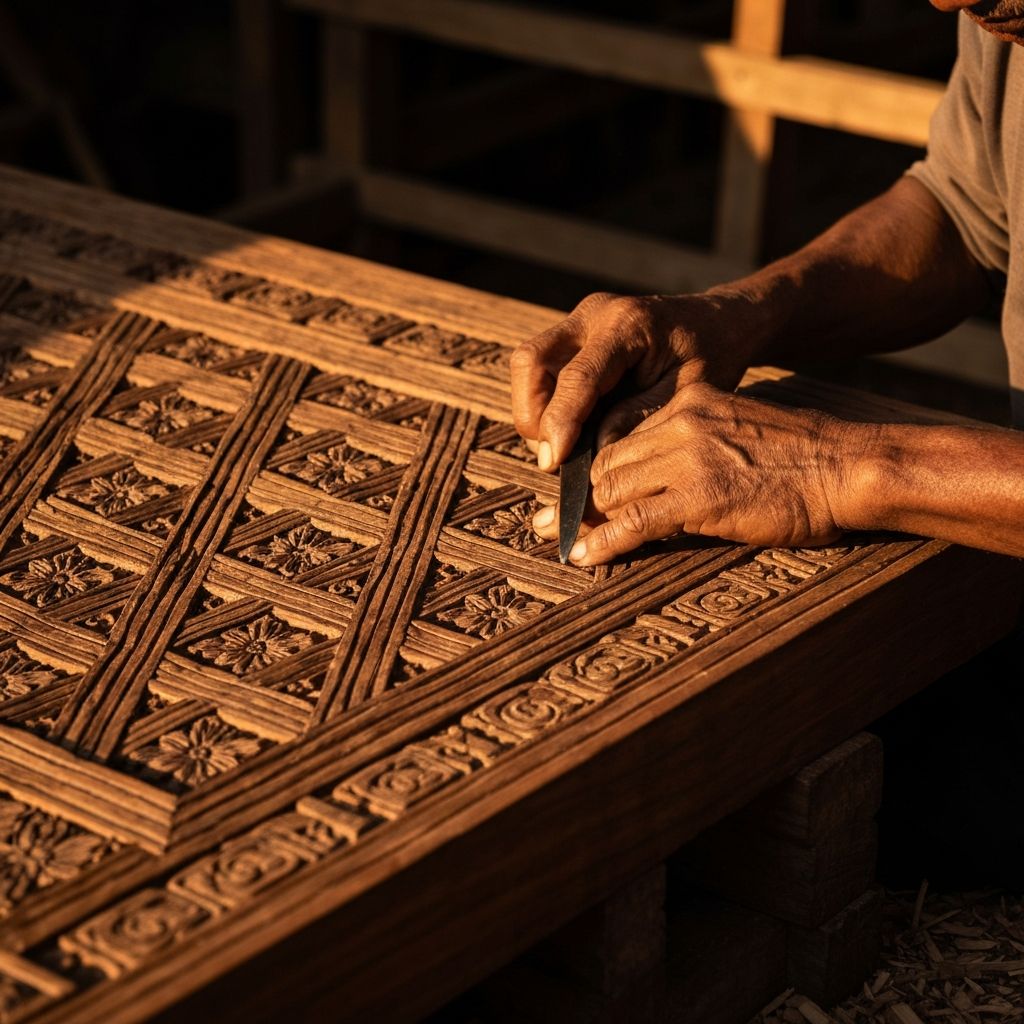
Our furniture features intricate Newari carvings — geometric latticework, rosette medallions, traditional patterns passed down through generations.
This level of detail work demands wood that carves cleanly without splintering, holds fine edges over time, accepts finish beautifully, and won't crack through the carving.
Teak gives us all of this with room to spare. Sisau, harder and more brittle, asks for compromises we are not willing to make on a piece meant to last a century.
When you see a Regalwood piece, you're seeing hundreds of hours of hand-carving. For furniture meant to last generations, we don't compromise on the wood.
Common Questions
Going Deeper
Wood is only half the story. Here is how we think about the furniture itself.
From The Guides
Why Wood Grain Matters
Nepal loves gold-painted furniture. But what are we hiding underneath? A designer's view on why natural wood grain tells a better story than any coat of paint.
Read the article
From The Guides
Furniture Your Family Will Keep Forever
What makes a piece worth keeping for generations? Heirloom thinking, and why disposable furniture costs more than you think.
Read the article
Questions About Wood Selection?
We're happy to share photos, discuss options, and help you choose the right wood for your furniture. Start a conversation — no pressure, just honest advice.