Regalwood Logo
regalwoodPremium Antiques
Menu
Back to Guides

Process

What Happens After You Order: The Regalwood Process

Inside the 3-5 week process of handcrafting furniture at Regalwood. Workshop visits, quality checkpoints, and why no showroom means better furniture for you.

6 min read

It starts with a WhatsApp message.

Maybe you've been thinking about it for weeks. Maybe months. You've seen the pieces on our website, read about the craftsmanship, calculated the cost against what you'd pay elsewhere. And now you're ready to ask the question everyone asks first: "How much?"

Let's walk through what happens next. Not the version we wish happened, but what actually happens when you order from Regalwood.
First Contact: The Honest Conversation About Price

The first question is always about price. And honestly? Most people find our furniture expensive.

Some don't reply after hearing the number. Others ask, "Why is this so expensive?" Then comes the second question: "Where's your showroom?"

Here's what Anisha tells them: Nepal has a tradition of assuming anything made locally must be low quality. Expensive doesn't relate to high quality here. But at Regalwood, expensive means something different.

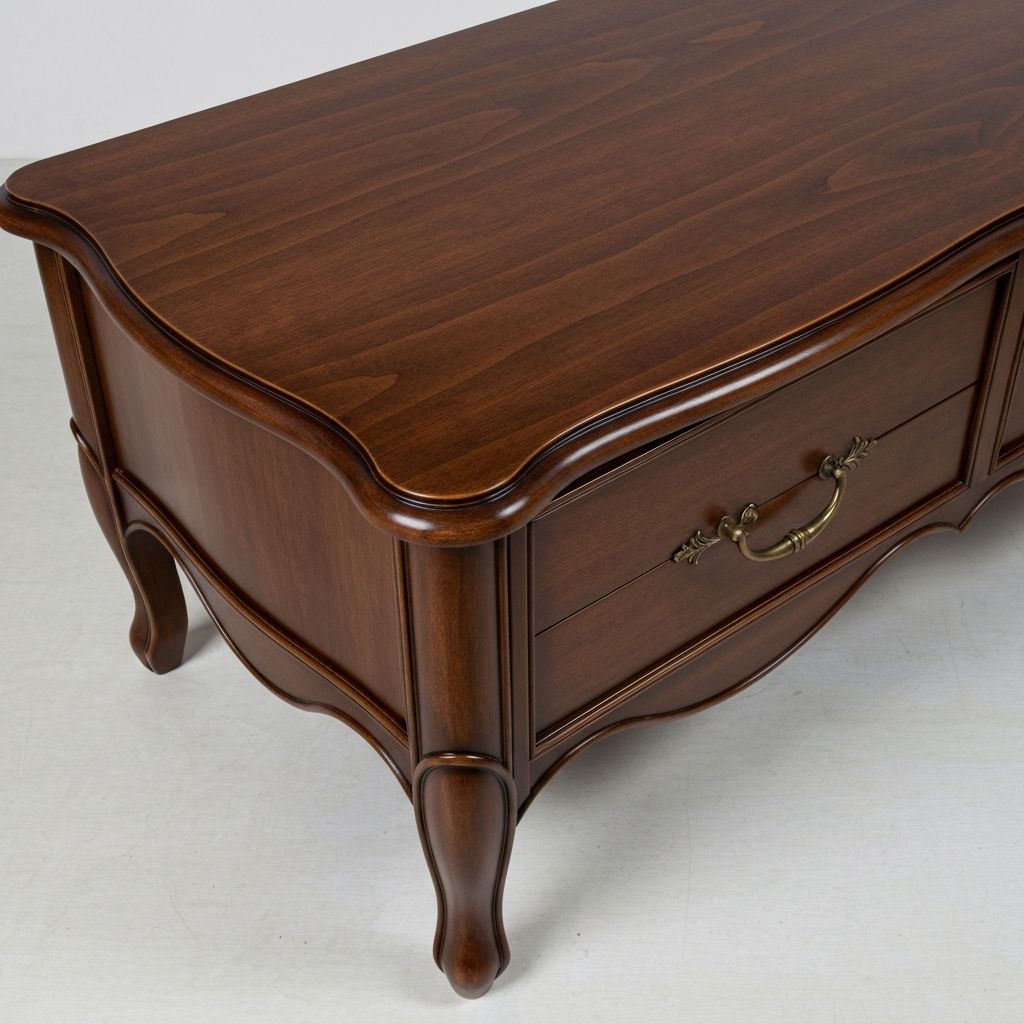
It means a 10-year warranty we actually honor. It means sponge density higher than anything else in the market. It means professional-grade PU paint systems that furniture makers in Kathmandu don't bother with because they cost more. It means materials chosen for your grandchildren, not just for you.

But the real answer to "why so expensive" is this: because Anisha and I personally watch every piece being made, day by day, customer by customer. Your sofa isn't made by a workshop. It's made by two people who care whether it's right.

Workshop Invitation (Yes, You Can Visit)

"Where's your showroom?"

We don't have one. And here's why that's better for you: we don't pay rent on retail space, we don't keep inventory collecting dust, and we don't mark up prices to cover display costs. Every rupee goes into the workshop and the wood.

But here's what most people don't know: you can visit the workshop.

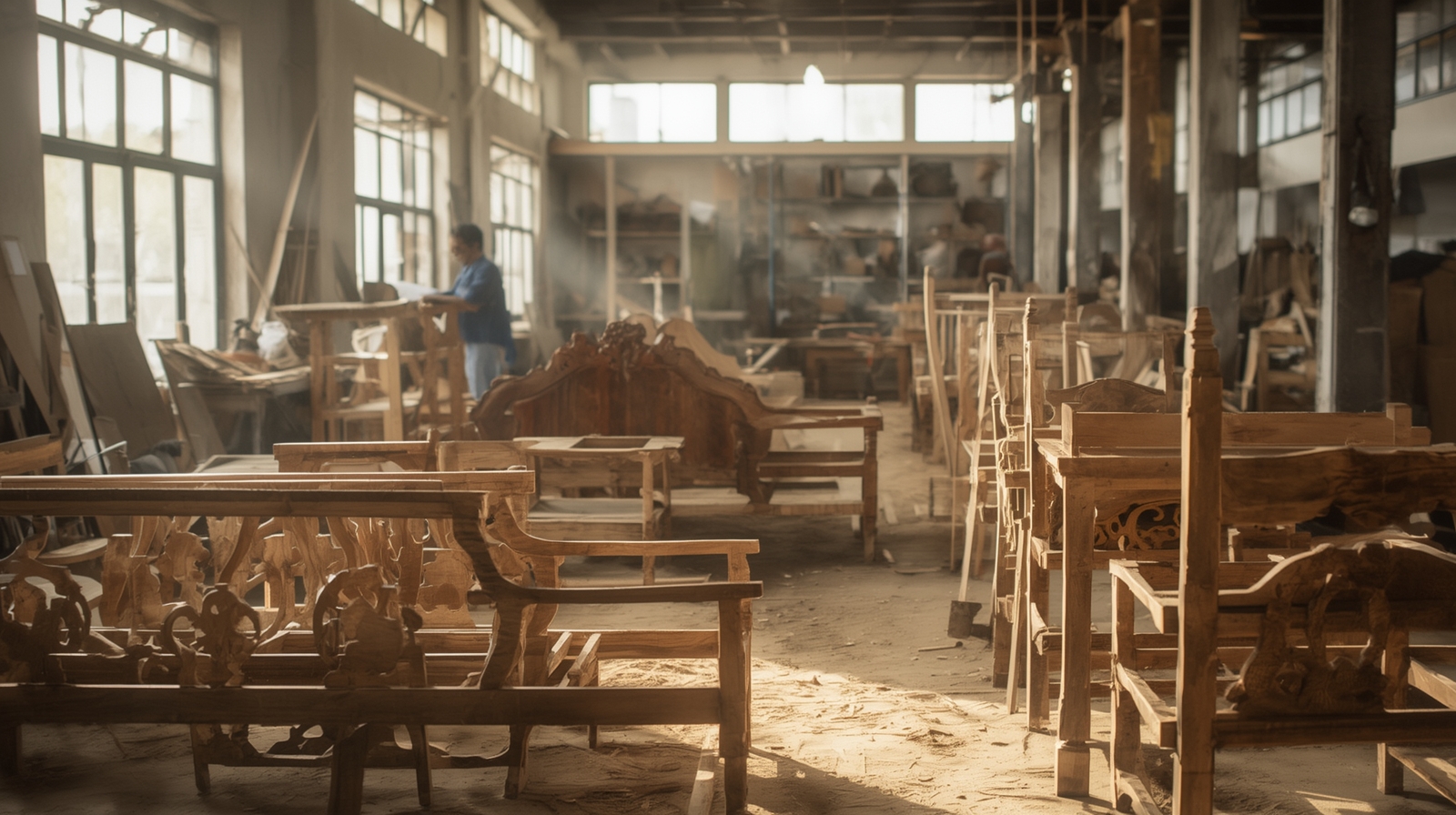
For paying customers, we make exceptions. Before the final paint goes on, we'll invite you to see your piece. Walk around it. Touch the joints. See the carving up close. If something feels wrong, we'll adjust it.

Most people don't come. They trust the process by then. But the option is there, and knowing that seems to matter.

Some only visit after it's finished, right before delivery. Others just take delivery without ever seeing the workshop. Both are fine. The invitation itself is the reassurance.

Workshop Visit Available

For paying customers, we welcome visits before final paint. See your piece, touch the wood, request adjustments. Most customers trust the process without visiting, but the invitation is always open.

Contact us on WhatsApp to schedule: +977 981-3837377

Regalwood workshop interior

The Making: Where 3-5 Weeks Actually Goes

People assume the carving takes longest. It doesn't.

Here's the actual timeline:

Week 1

Woodwork and Initial Carving

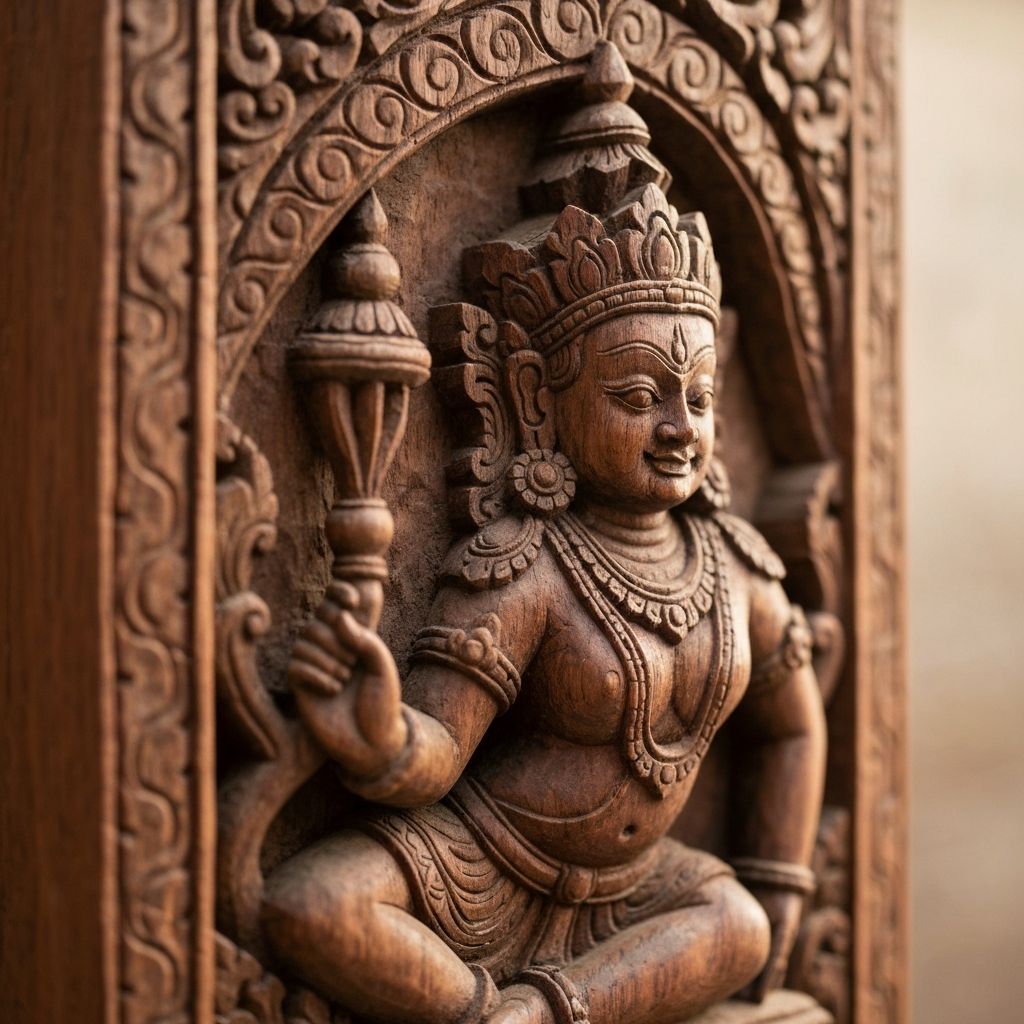
The frame takes shape. Joints are cut. Traditional Newari carving begins on decorative elements.

Week 2-3

Sanding (The Patient Work)

This is where time disappears. Hand-sanding every surface, every curve, every carved detail until the wood feels like it was always meant to be this smooth.

Week 3-4

Professional Painting System

Not a brush and a can. A multi-stage process: wood stain, 2K polyurethane clear coat with hardener, matte topcoat.

Week 4-5

Sealing and Final Finishing

The finish needs time to cure properly. Hardware is installed. Every surface is inspected.

This is the stage that separates furniture that lasts from furniture that disappoints. You can't rush sanding. If you do, the paint shows every shortcut.

Some pieces take longer if the carving is intricate. Some are faster if the design is simpler. But 3-5 weeks is what it takes to do it right.

Traditional Newari carving detail

Daily Oversight: The 'Assigned Person' Feeling

One customer told us later what made him confident: "It felt like I had a person assigned to make sure I got the highest quality possible."

He was right. That person was both of us.

Anisha and I don't just run Regalwood. We're in the workshop. We see your piece being made. We check the joints, the finish, the details. If something isn't right, we see it before you do.

This is different from ordering from a large workshop where your piece is one of fifty being made that month. At Regalwood, we make 4-6 pieces at a time. Yours gets attention, not assembly-line treatment.

Every piece is a slice of our mind and effort. I'm an engineer turned designer trying to make furniture that tells stories. Anisha ensures those stories don't fall apart in five years.

The peace of mind you're paying for? It's knowing that the extra money you spent was worth it down to every penny.

Professional finishing process

Why No Inventory = Better for You

The "no showroom" question is really asking: "How do I know I'll like it if I can't see it first?"

Here's the truth: we don't keep inventory because keeping inventory drives up prices. Rent, storage, display costs, unsold pieces collecting dust. Someone pays for that. Usually you.

We save those costs and pass them to you in the form of better materials. A-grade teak instead of lower grades. Professional PU systems instead of basic lacquer. Higher-density foam instead of whatever's cheapest.

No inventory also means your piece is made specifically for your space. Not compromised to fit a showroom display. Not built months ago and sitting in storage. Made for you, after you order, exactly as it should be.

No Showroom vs Traditional Furniture Stores

AspectRegalwood (No Showroom)Traditional Showroom
Overhead costsWorkshop investment onlyRent + storage + display
Material qualityA-grade teak, professional PUCost-cut to cover overhead
CustomizationMade for your exact spaceDisplay-floor compromises
Production focus4-6 pieces at a time50+ pieces monthly
Personal oversightDaily founder monitoringAssembly-line treatment

The Story Each Piece Carries

These pieces carry two stories.

One is mine: the design vision, the fusion of Newari craft and European proportions, the choice to show wood grain instead of hiding it with gold paint. I think about how this piece fits into a larger collection, how it connects to Nepal's heritage while looking forward.

The other story is yours: the family gatherings around this table, the conversations on this sofa, the way this piece evolves as your life changes. That story hasn't been written yet. But the furniture is built to hold it for generations.

What Happens Next

After you send that first WhatsApp message, here's what actually happens:

  1. We'll talk about price honestly. No games, no hidden fees.
  2. We'll explain the 10-year warranty and what it covers.
  3. We'll discuss materials: the teak, the finish, the foam, the details.
  4. If you're ready to proceed, we'll confirm design and timeline.
  5. We'll invite you to visit before final paint (if you want).
  6. We'll update you as your piece progresses.
  7. We'll deliver it ourselves, inside Kathmandu Valley.

The process isn't complicated. It's just careful.

And at the end, you'll have furniture your family will keep forever. For the gatherings, the conversations, the everyday.

10-Year Warranty

Structural integrity guaranteed

Personal Oversight

Founders monitor daily

Workshop Visits Welcome

See your piece being made

Frequently Asked Questions

Ready to Start Your Piece?

Send us a message and let's talk about what you're looking for. No pressure, just an honest conversation about your furniture.

Start a Conversation on WhatsApp