Regalwood Logo
regalwoodPremium Antiques
Menu
Back to Guides

Philosophy

Furniture Your Family Will Keep Forever

What makes furniture worth keeping for generations? A guide to heirloom thinking, quality of life, and why disposable furniture costs more than you think.

4 min read

Furniture your family will keep forever.

It's a phrase we use often. But what does it actually mean?

It means thinking about furniture as an investment, not a one-time purchase. It means choosing pieces that will be there for the highs and the lows. The celebrations and the quiet Tuesday evenings. The festivals and the ordinary dinners.

It means buying the last dining table you'll ever buy.
The Furniture That Stays

Some furniture gets replaced. Some furniture stays.

The difference isn't just quality, though quality matters. The difference is emotional. Furniture that stays has witnessed your life. It was there when you hosted your first family gathering in your new home. It was there when your children did homework, when relatives visited from the village, when you sat alone with tea on a difficult morning.

That history creates attachment. You don't replace furniture that has been part of your story.

Here's the interesting thing about good furniture: its job is to be invisible. A well-made sofa doesn't demand attention. It simply works. The cushions hold their shape. The frame doesn't creak. You sit, you relax, you forget you're sitting on anything at all.

But invisibility doesn't mean forgettable. The same sofa that disappears into daily life can stop a guest in their tracks. "Where did you get this?" That's the reaction we design for. Furniture that serves quietly but earns admiration.

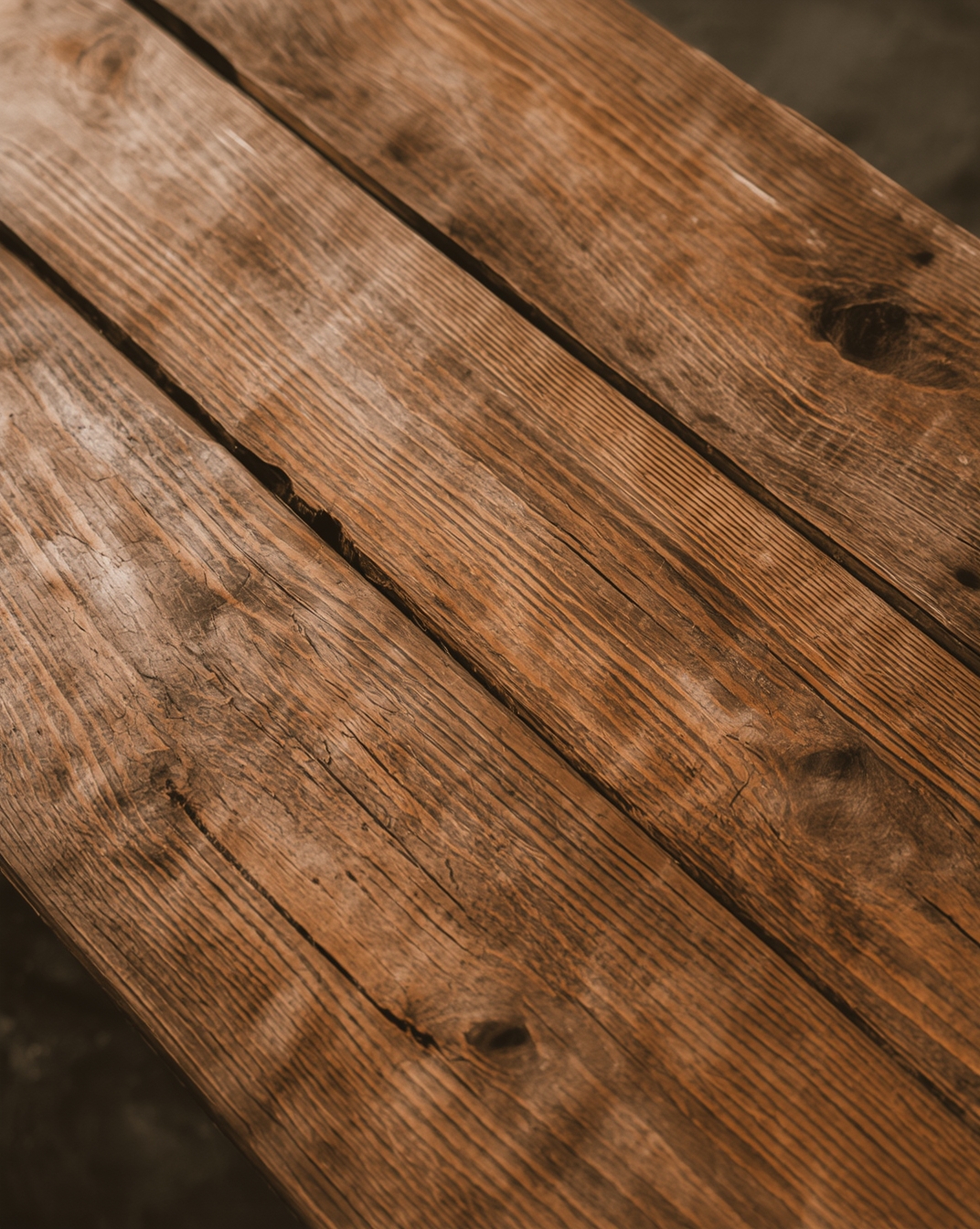
Close-up of aged teak wood surface showing natural patina and wood grain

The Problem with Disposable

Let's talk about what happens when furniture doesn't last.

In Nepal, we have a disposal problem. There's no good system for getting rid of old furniture. You can't recycle it. Municipal waste collection won't take it. Your options are: sell it second-hand, store it somewhere, or feel guilty about adding to the waste problem.

Selling bad furniture feels wrong. You know it's falling apart. You know whoever buys it will face the same problems in two years. But what else can you do?

For families who aren't moving every few years, disposable furniture becomes a cycle. Buy something affordable. Watch it deteriorate. Figure out how to get rid of it. Buy again. Repeat every five to seven years.

This cycle has a cost beyond money. There's the frustration of drawers that stick. The embarrassment when guests sit on a sagging sofa. The constant low-grade disappointment of living with things that don't quite work.

Quality of life improves bit by bit. In places like Nepal, where good quality isn't always given, furniture is one of the first ways to make that improvement tangible. A solid dining table where you share meals with family. A bed that supports you properly. These aren't luxuries. They're foundations.

When Furniture Becomes Heritage

Here's something worth considering: there's no strong tradition of passing down furniture in Nepal. Not like passing down jewelry or land.

But look at what's happened to old Newari crafts. Intricately carved pieces from previous generations are now treasured. They command high prices. They're displayed in heritage hotels and private collections. What was once simply "furniture" became cultural artifact.

The craftsmanship that created those pieces was once reserved for royalty. Only kings and nobles could afford detailed woodwork. Everyone else made do with simple, functional pieces.

That's changed. Today, a family with stable income can commission furniture of genuine heirloom quality. The same level of craft that once decorated palaces can now be in your living room.

This is a new possibility. Your children could inherit furniture you chose with care. Not as antiques to admire, but as functional pieces they'll actually use. A new tradition, starting with your generation.

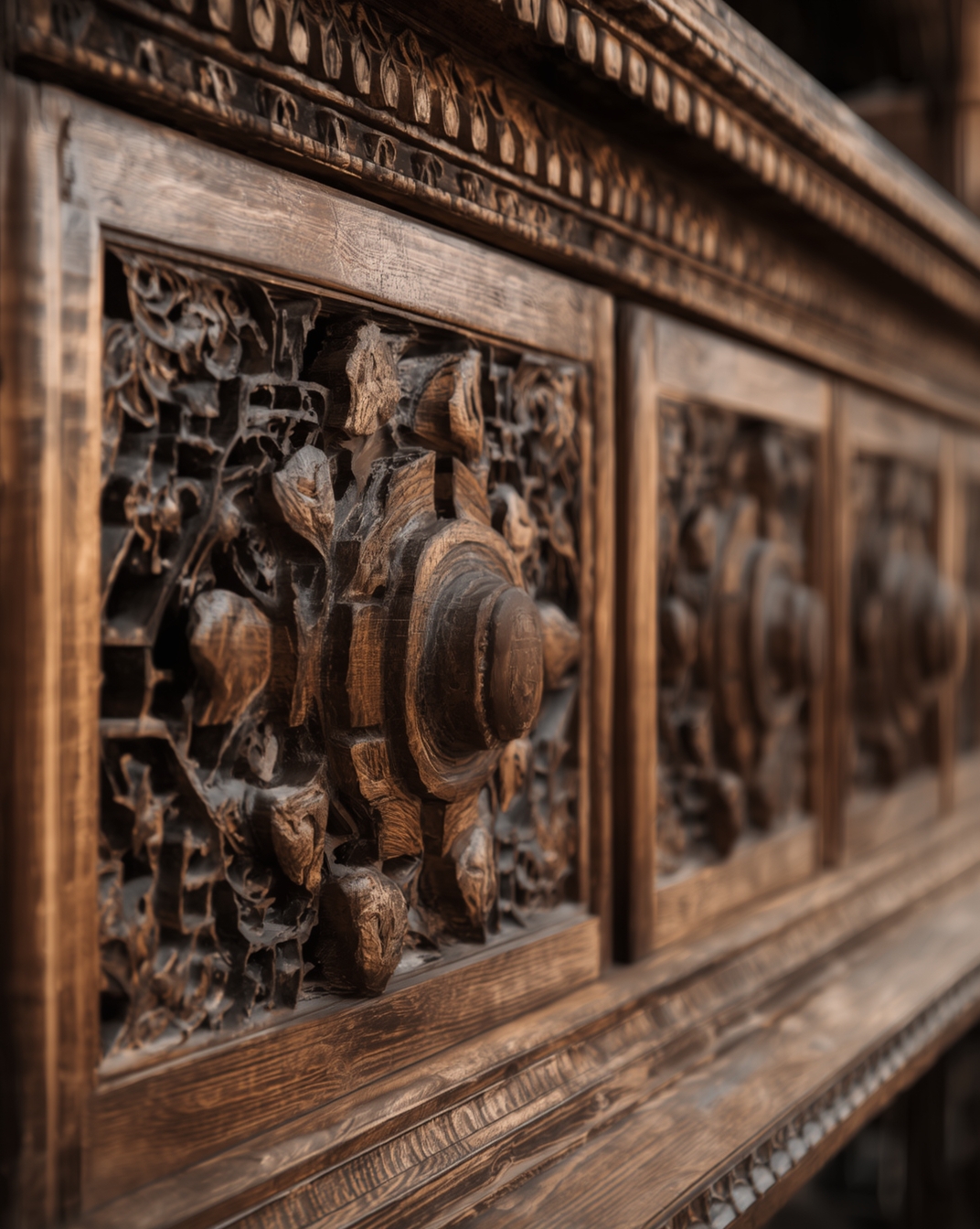
Traditional Newari woodcarving detail on antique teak furniture

For the Gatherings, the Conversations, the Everyday

In Nepal, family gatherings happen constantly. More than once a month for most families. Relatives visit. Festivals arrive. Someone's always coming over.

During these gatherings, furniture plays host. The sofa accommodates five people who were supposed to be three. The dining table extends to fit everyone. Chairs get pulled from other rooms.

Good furniture handles this gracefully. It's built for real life, not showroom life.

And between the gatherings? There's the everyday. Morning tea. Evening news. Children sprawled on the floor doing homework while parents sit nearby. These ordinary moments accumulate into years, into decades, into the story of a family.

The furniture witnesses all of it.

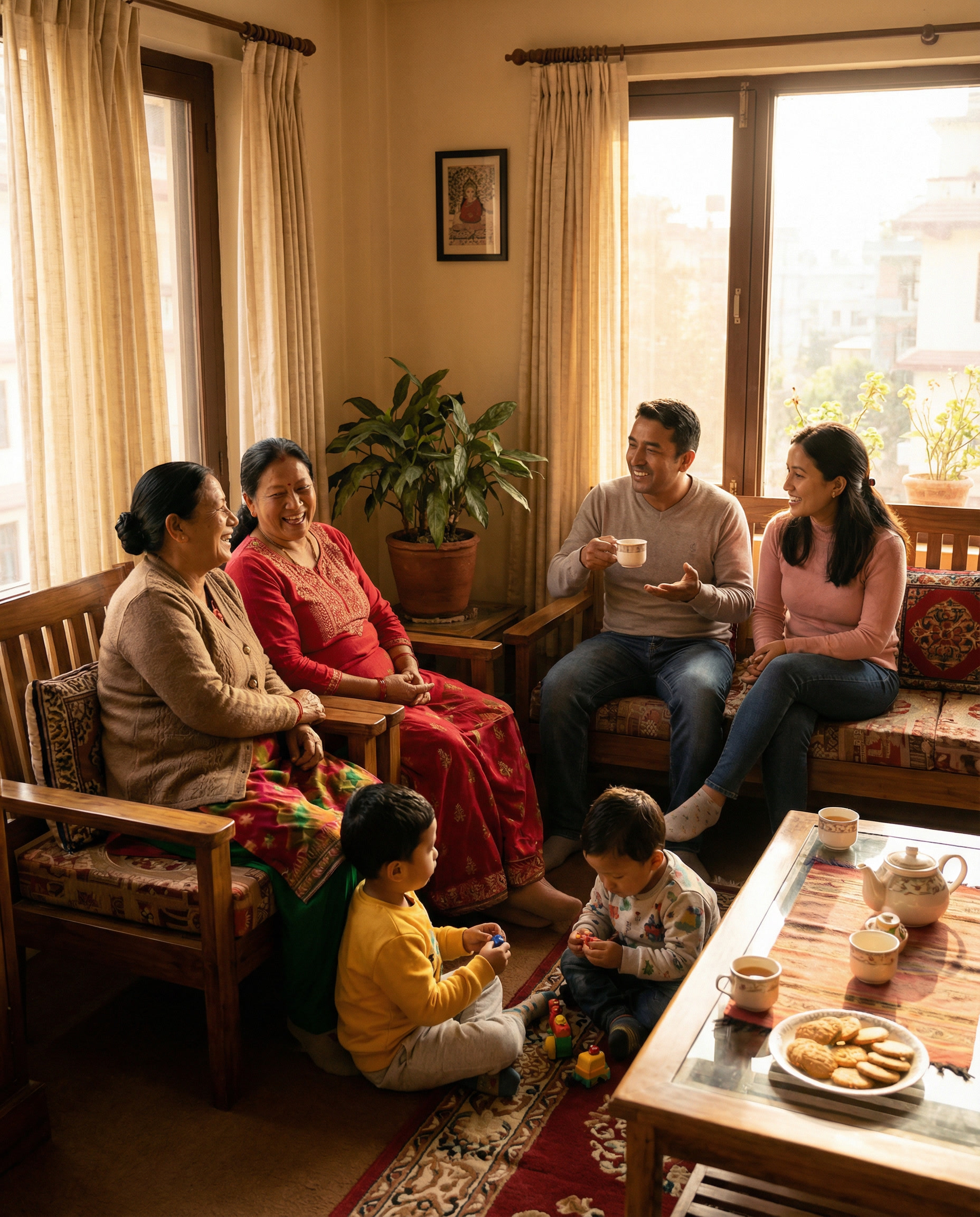
Nepali family relaxing on solid wood sofa during a gathering

Who This Is For

This way of thinking isn't for everyone.

It's for people who have settled. Who have a home and plan to stay. Who have moved past the "just for now" phase of life.

It's for people ready to improve their quality of life deliberately. Not all at once, but piece by piece. Starting perhaps with the dining table where the family gathers.

It's for enthusiasts who understand what goes into real craftsmanship. Who appreciate the hours of work in a carved detail, the decades of growth in a piece of teak.

And it's for anyone who has looked at cheap furniture and thought: there has to be something better.

There is.

Curious what furniture built for generations looks like? Explore our collections or learn how to care for quality furniture once you have it.

Ready to Start Your Collection?

Every piece is made to order. Tell us what you're looking for.

Start a Conversation